
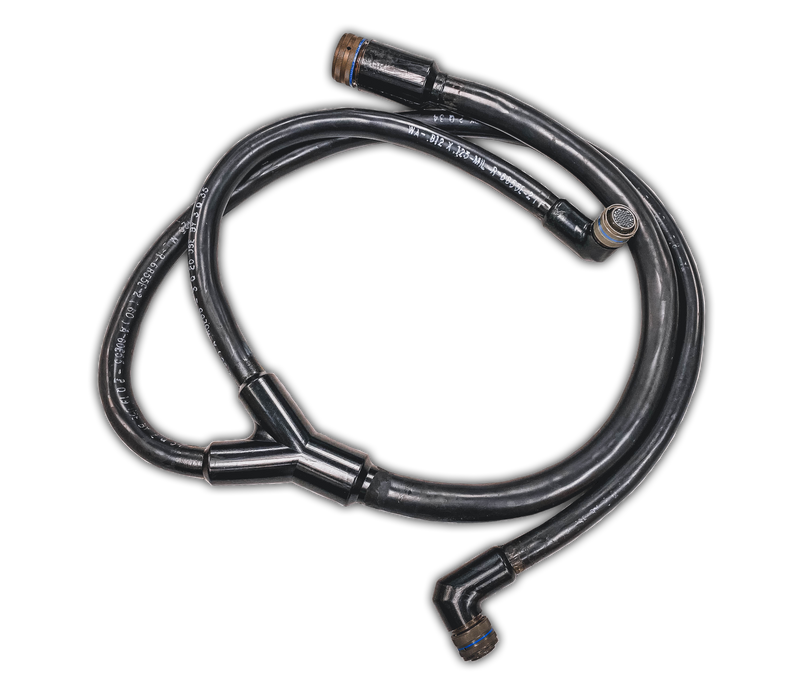
All Cable Sizes and Connector Types Accommodated
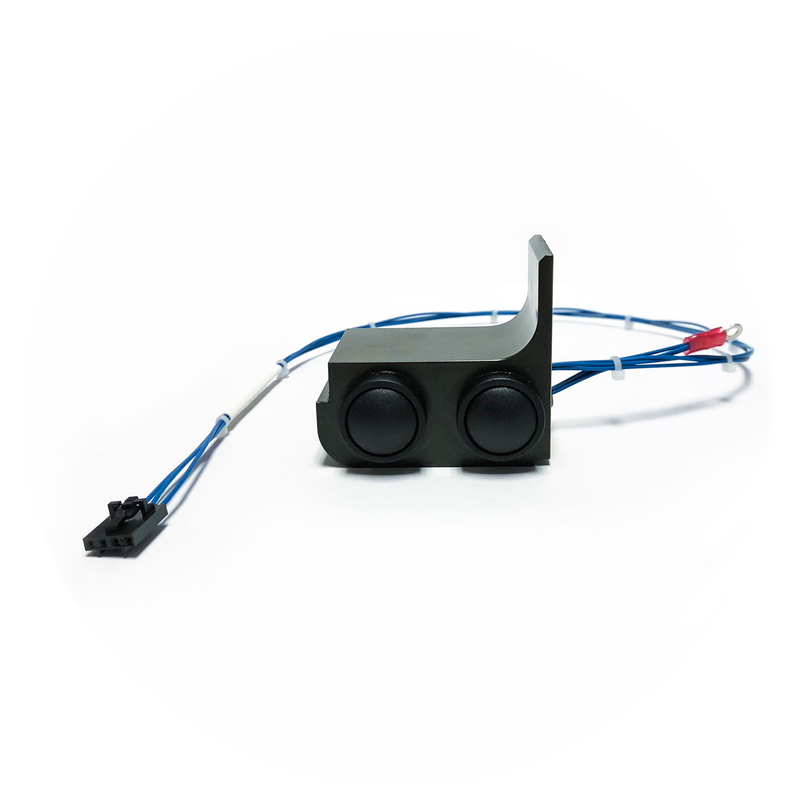
Cast Molded Parts Capabilities
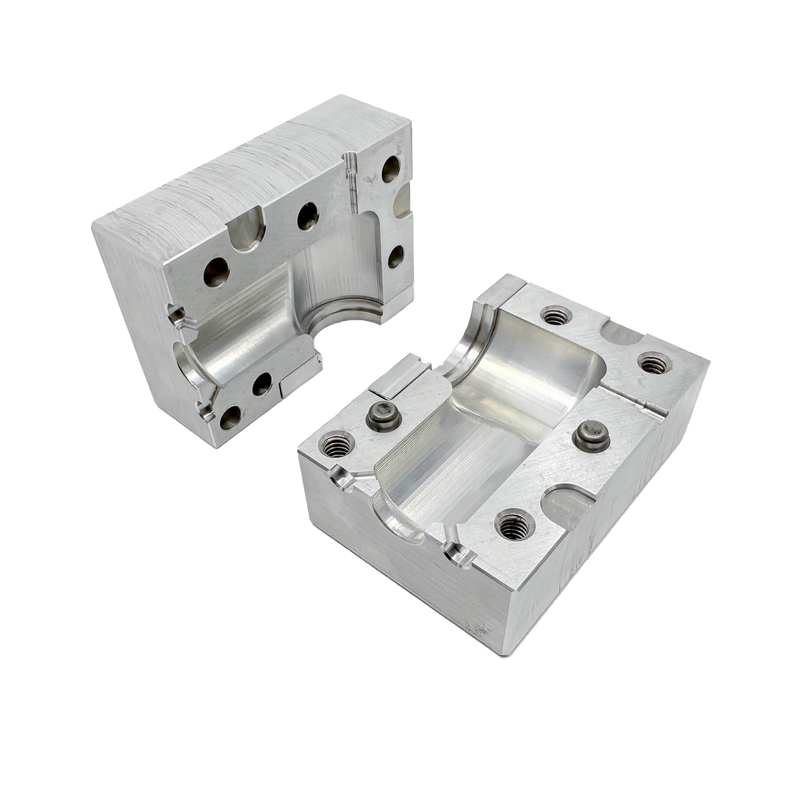
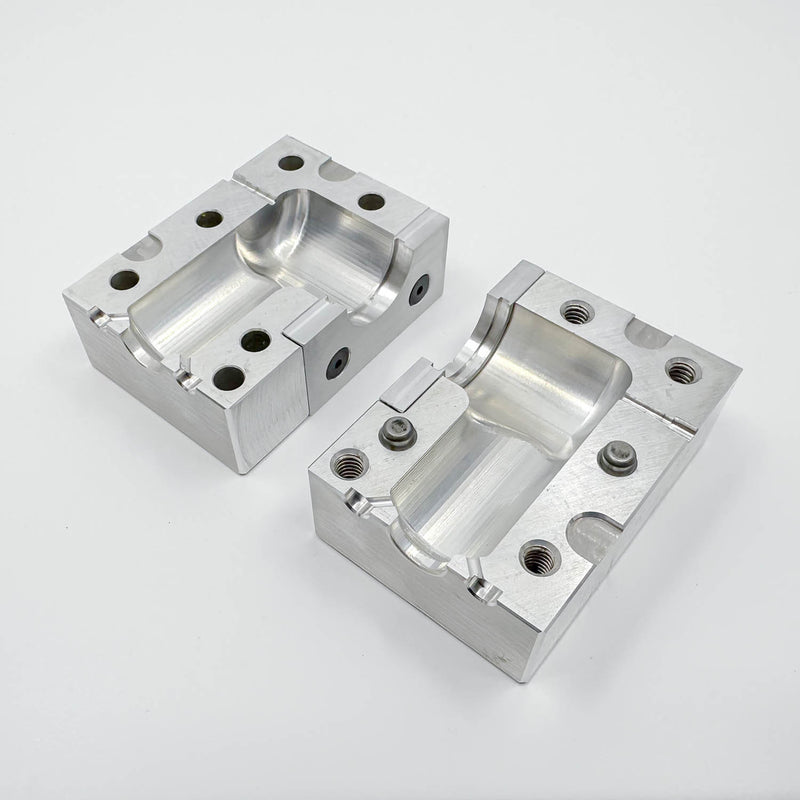
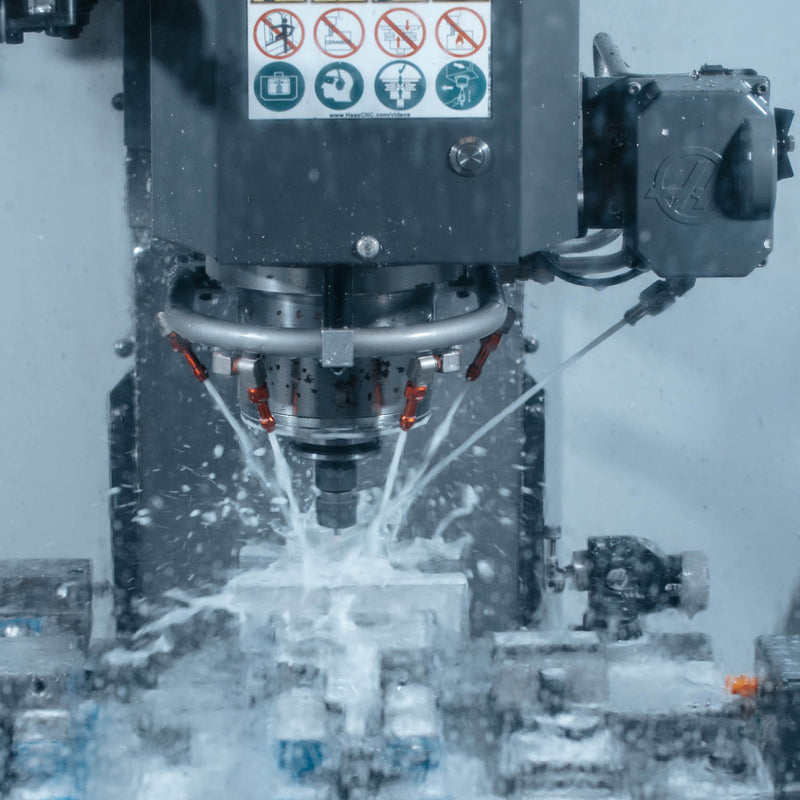
In-house Mold Machining
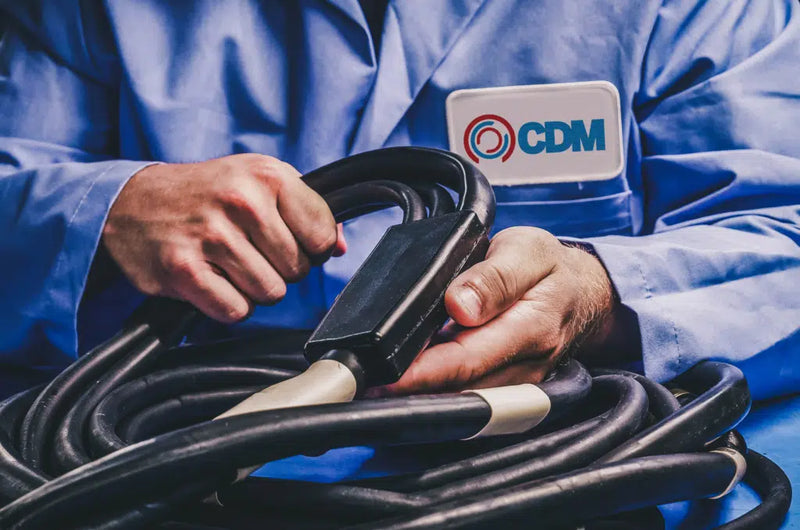
Large Material Capacity
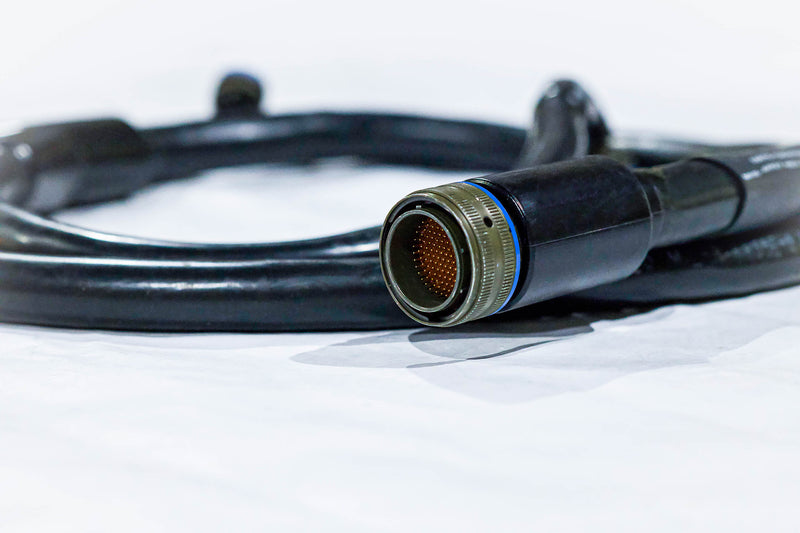
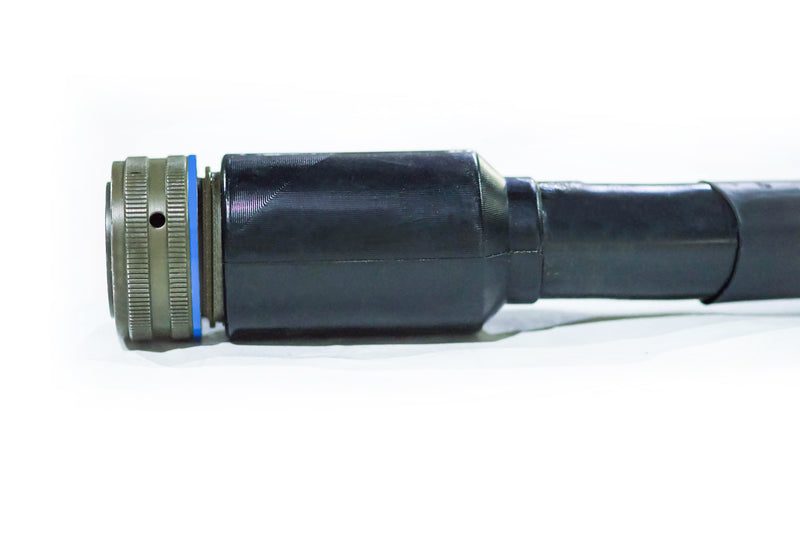
Different Types of Overmolding
-
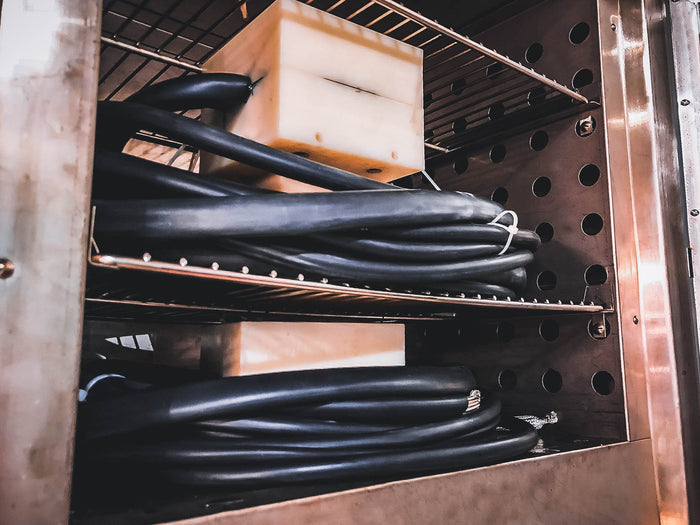
2-Part Casted Overmolding provides a solid,seamless seal that chemically bonds to backshells and cables to protect against liquids, dust, heat and impact.
Pros:
Suitable for lower volumes or prototyping
Multi-material production
Cons:
Time consuming in manufacturing
Not efficient for high volume production
Examples of materials used are polypropylene, polyethylene, TPE’s and TPU’s, MIL-M-24041-spec polyurethanes along with low smoke/zero-Halogen options.
-
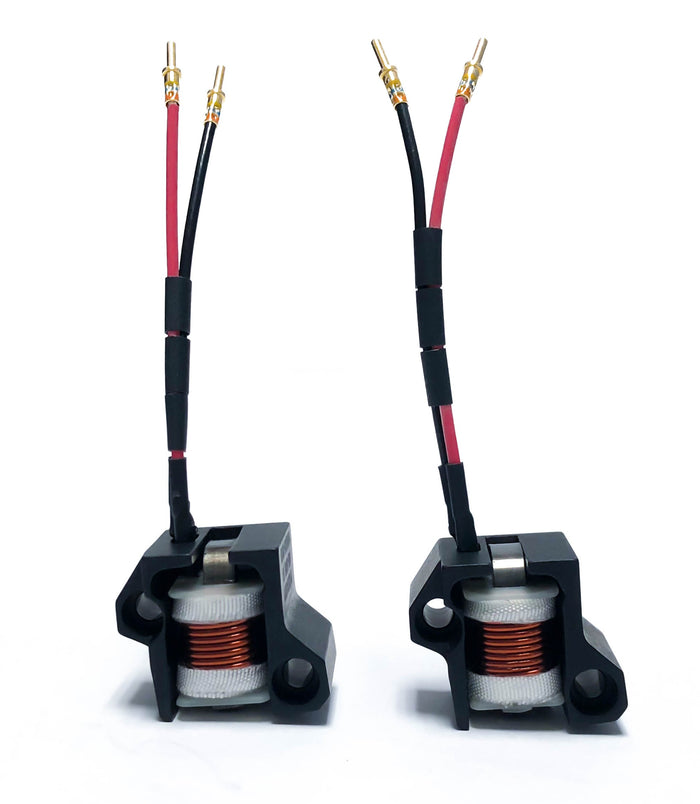
Injection Overmolding provides a solid, seamless seal that protects against liquids, dust, heat and impact. Injection Overmolding chemically bonds to cables, thermoplastics, backshells and other metals and offers superior aesthetics to 2-Part Casted Overmolding.
Pros:
Applicable for complex or critical-use end products
High volume efficiency
Can provide a variety of surface finishes
Cons:
Possible mold costs
Examples of materials used are Technomelt®-PA-678, ESTANE®58244, ESTANE®58277 and Santoprene™.
-
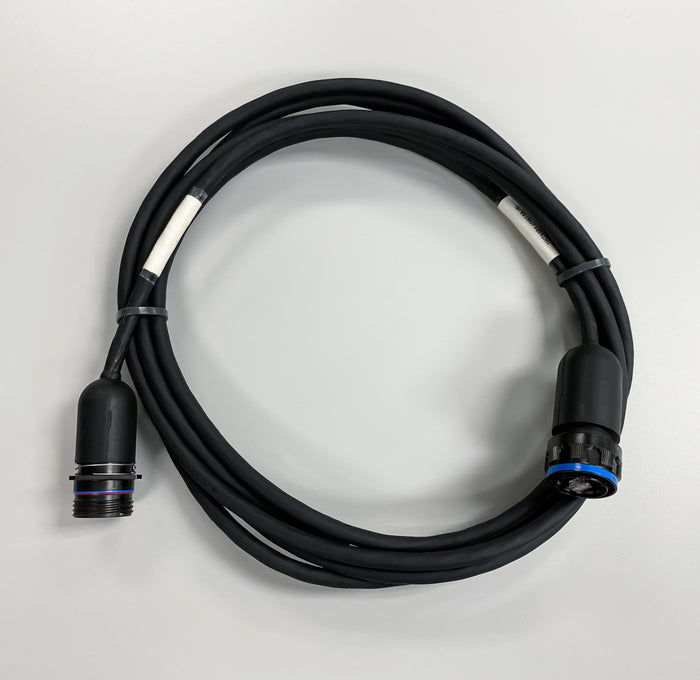
The Full Rubber Overmolding process is a vital part of CDM’s suite of value-added capabilities and has special advantages over conventional overmolding.
Pros:
Seamless end product
Enhanced flexibility and chemical resistance
Accelerated manufacturing time
Cons:
Possible mold costs
Higher materials cost
Examples of materials used are EDPM, Fluorocarbon Elastomer (Viton®) and Neoprene.
In-House Support Operations
Overmolding
CDM’s 3,000 square-foot Turnersville, NJ, machine shop supports the overmolding program by providing molds and specialty components to make the entire process seamless to customers.
-
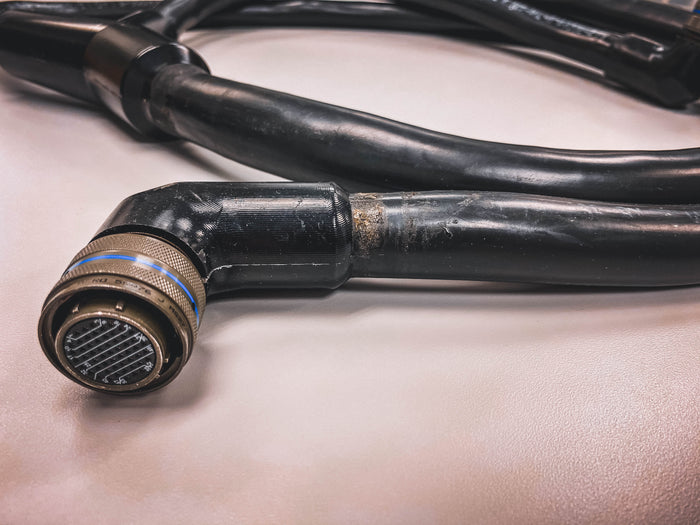
Overmolding
- Provides a complete, seamless seal at the cable/connector junction
- Provides an effective strain relief
- Unlimited size, shape and color availability
- Overmold material used is specific to the application
- American made in-house at Turnersville, NJ under 100% quality control
- Possible mold or prototype costs
-
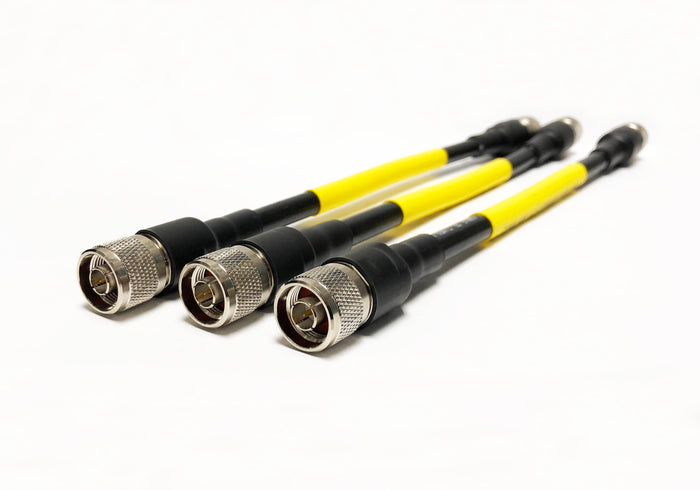
Shrink Boots
- Moisture and dust resistant, but not a true seal between the cable and connector
- Shouldn't be used as a strain relief
- Off-the-shelf sizes and shapes only, no color options
- Very limited choice of materials
- Mass produced and imported
- Budget-friendly
